

"I will work – I will work all the time."
95.000€
Ljubica SOKIC , known as Cuca SOKIC (1914.2009)
Correspondence with Olga Kechelievitch-Barbezat.
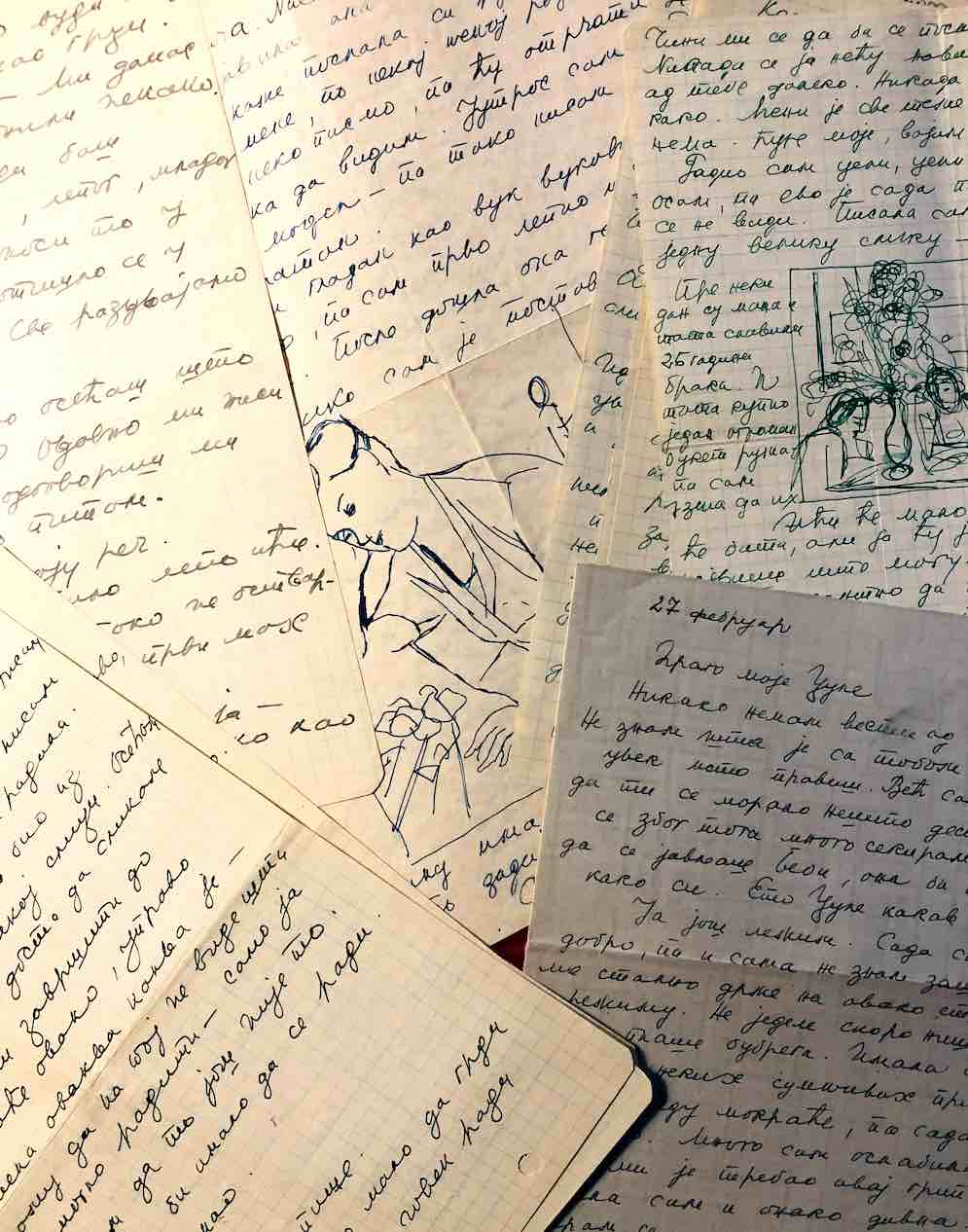
An exceptional collection of over 200 autographed letters signed to his friend Olga.
Approximately 1000 handwritten pages in Serbian and French.
Most of the letters are in quarto or folio format.
Between 1938 and 1945.
"I will work – I will work all the time."
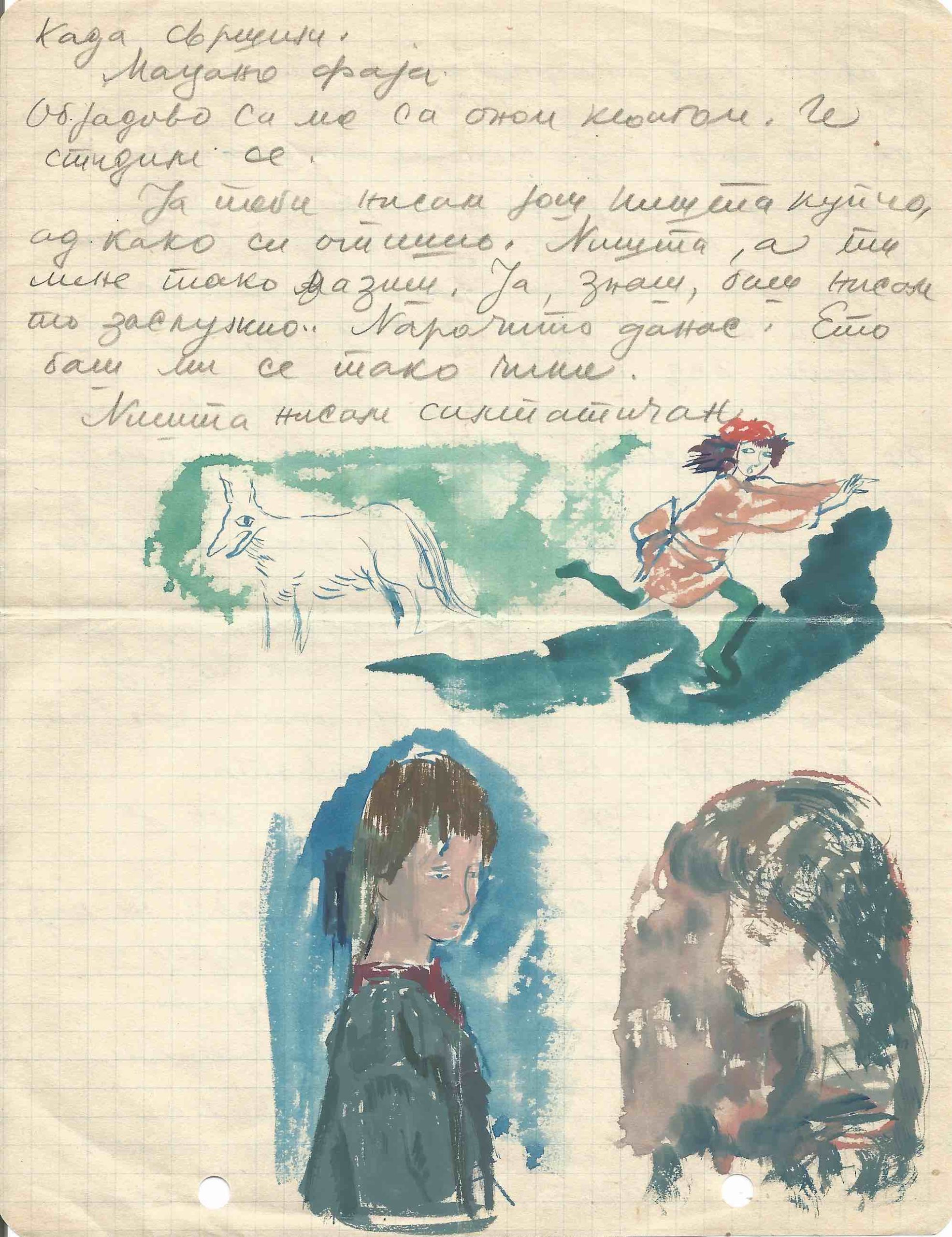
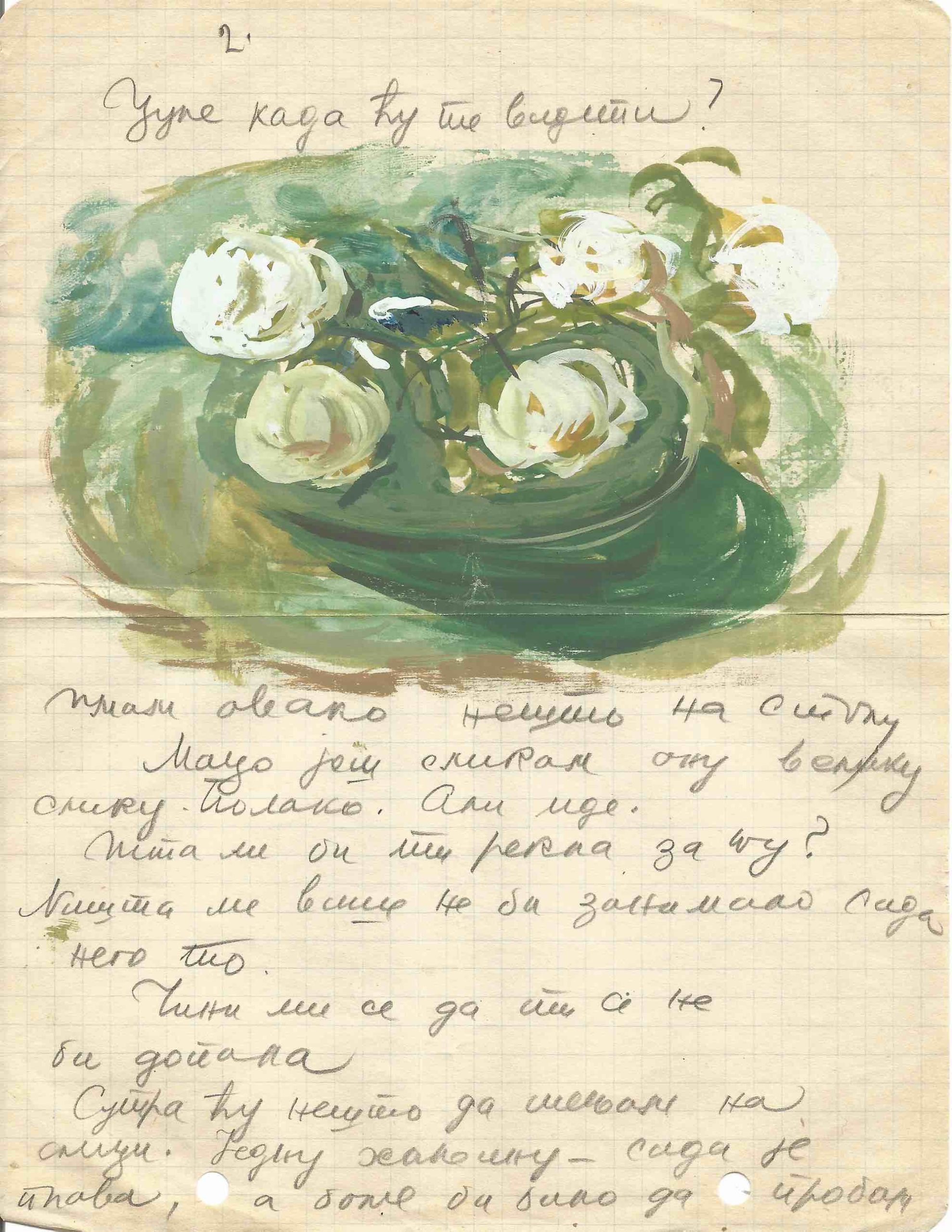
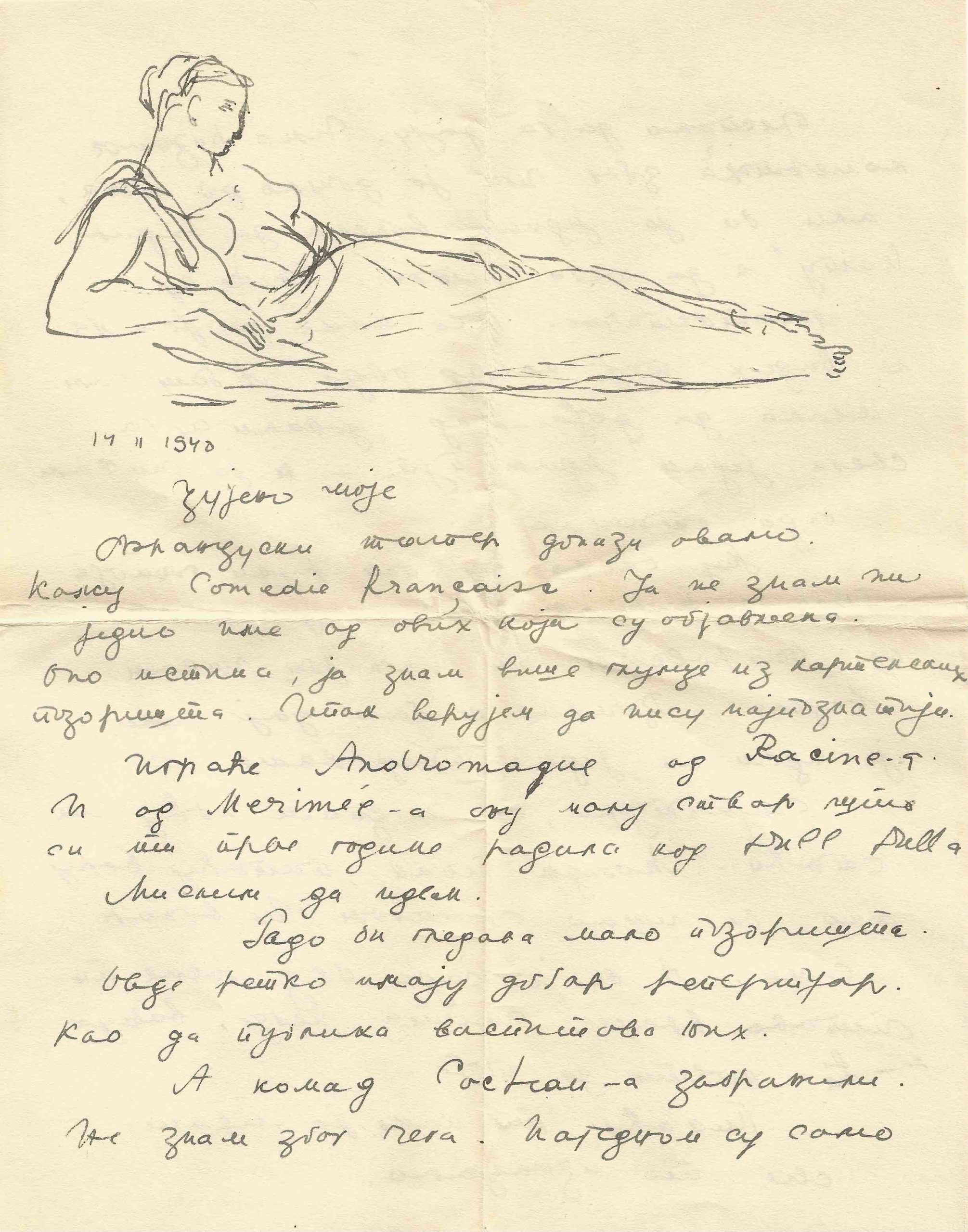
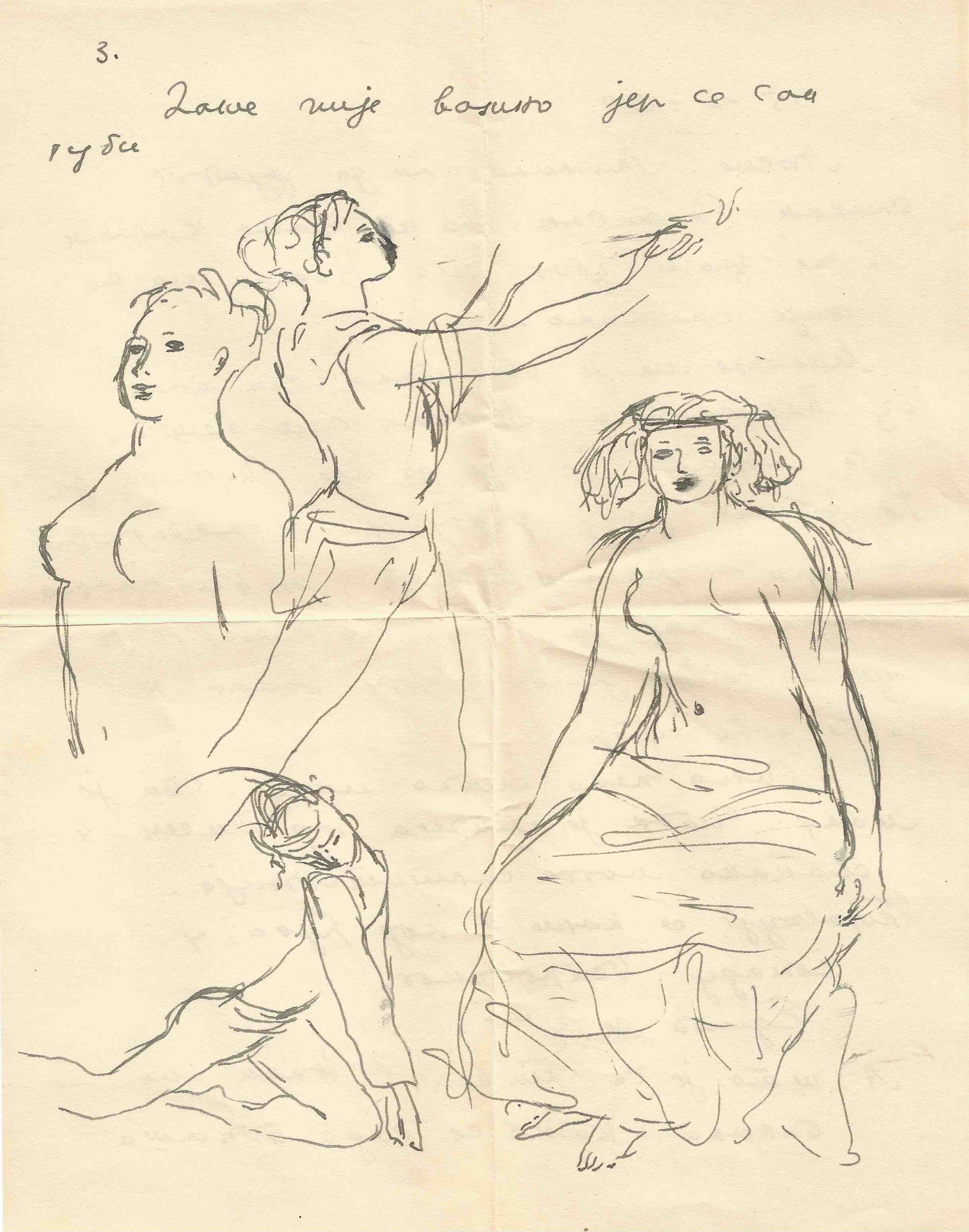
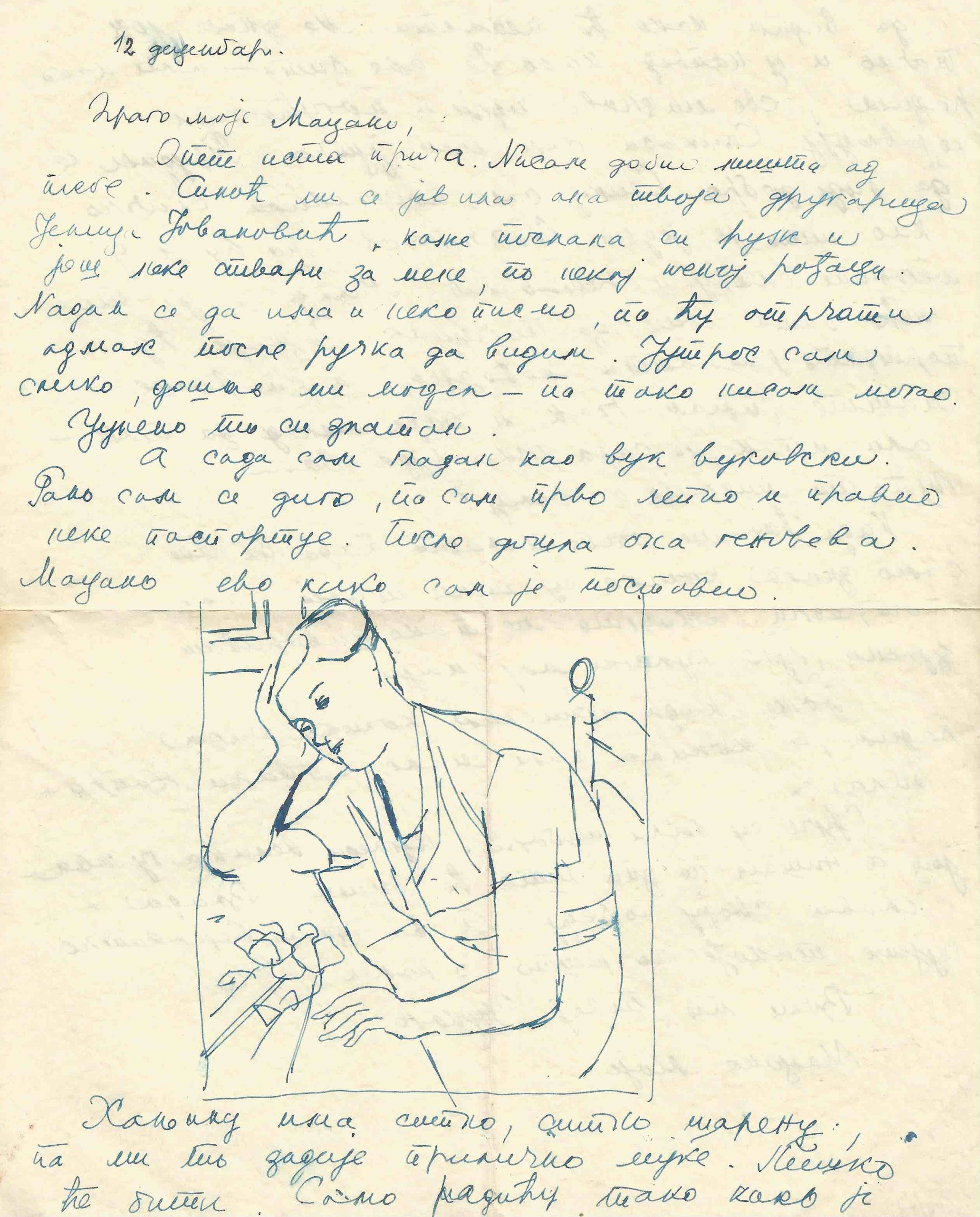
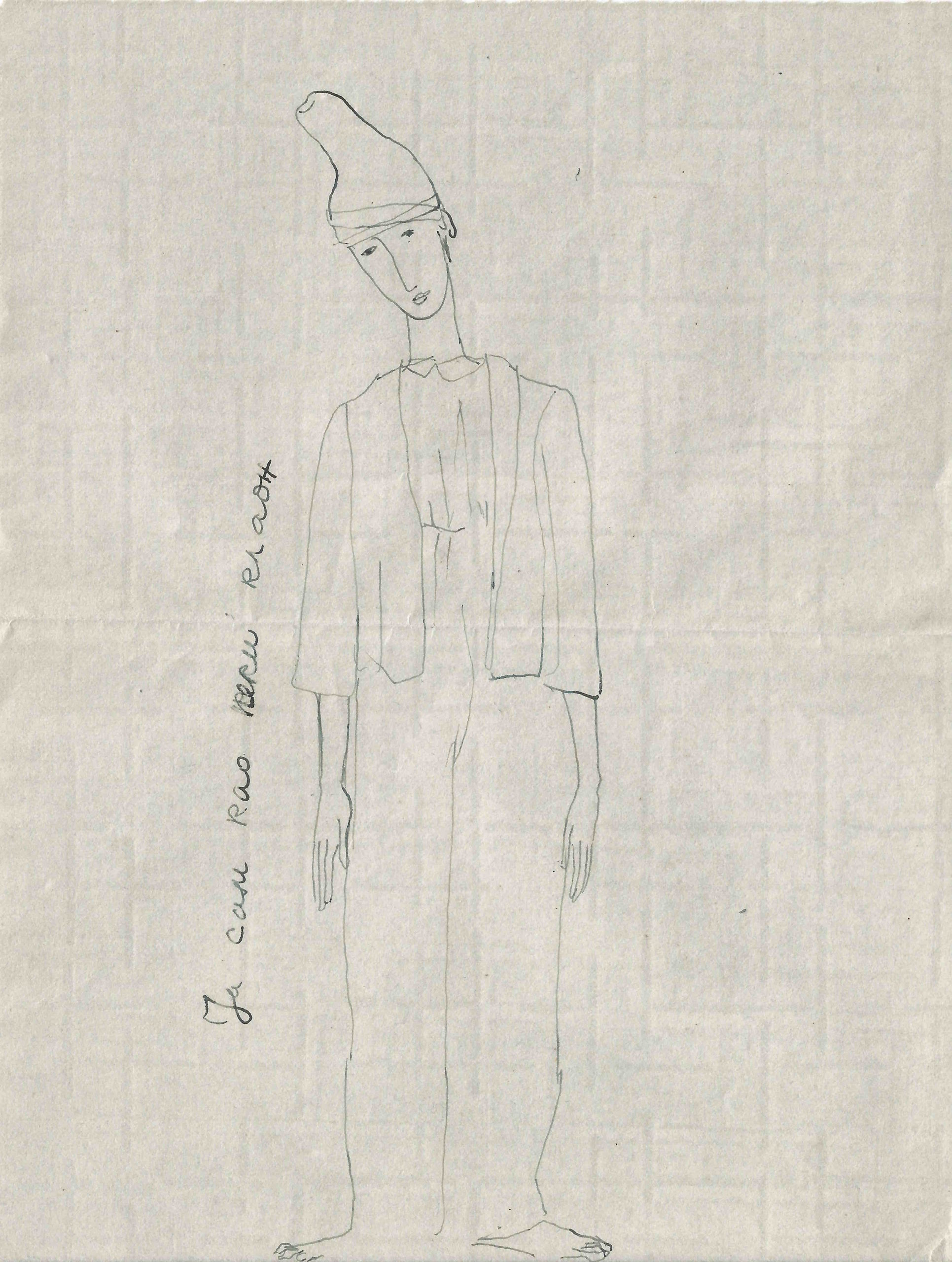
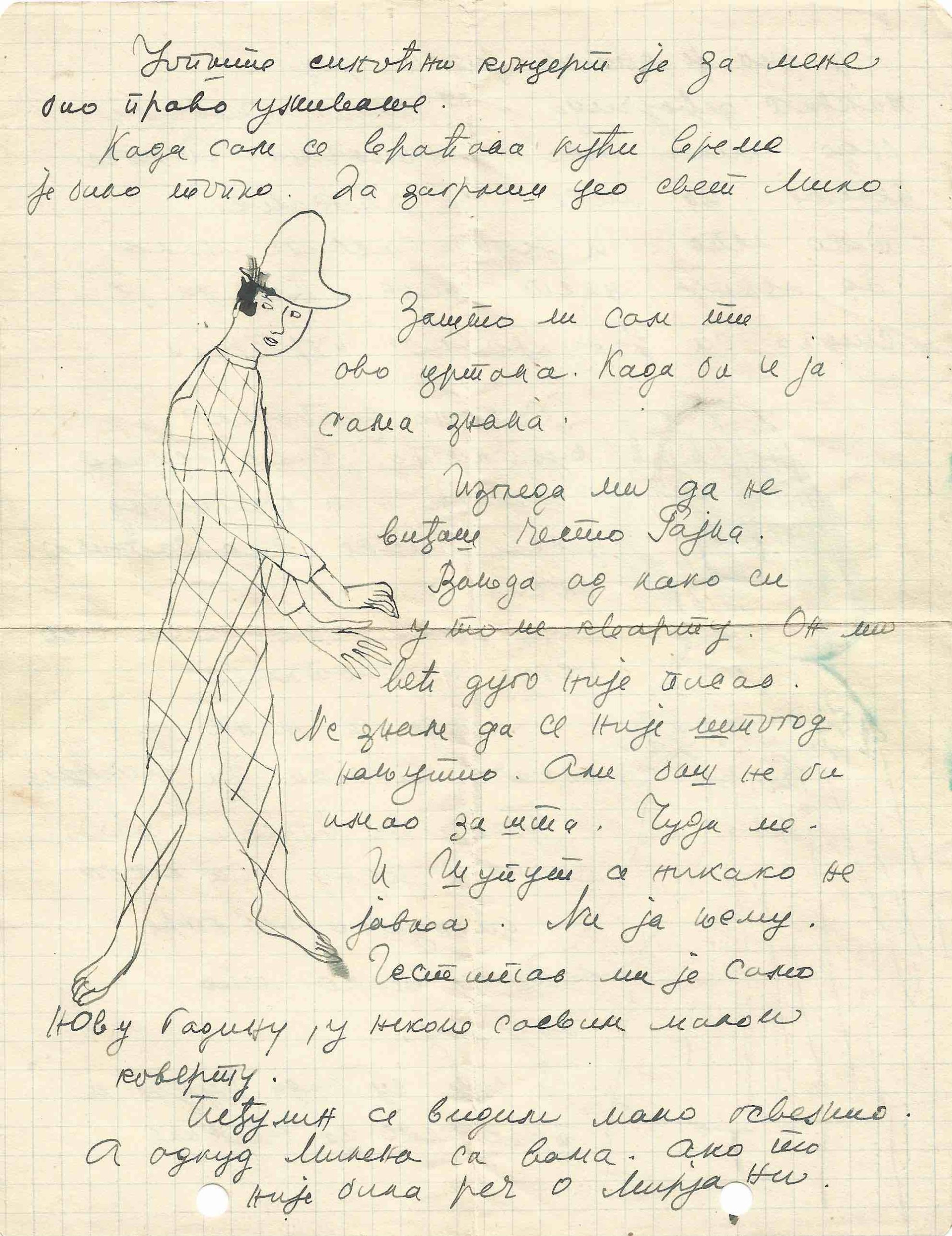
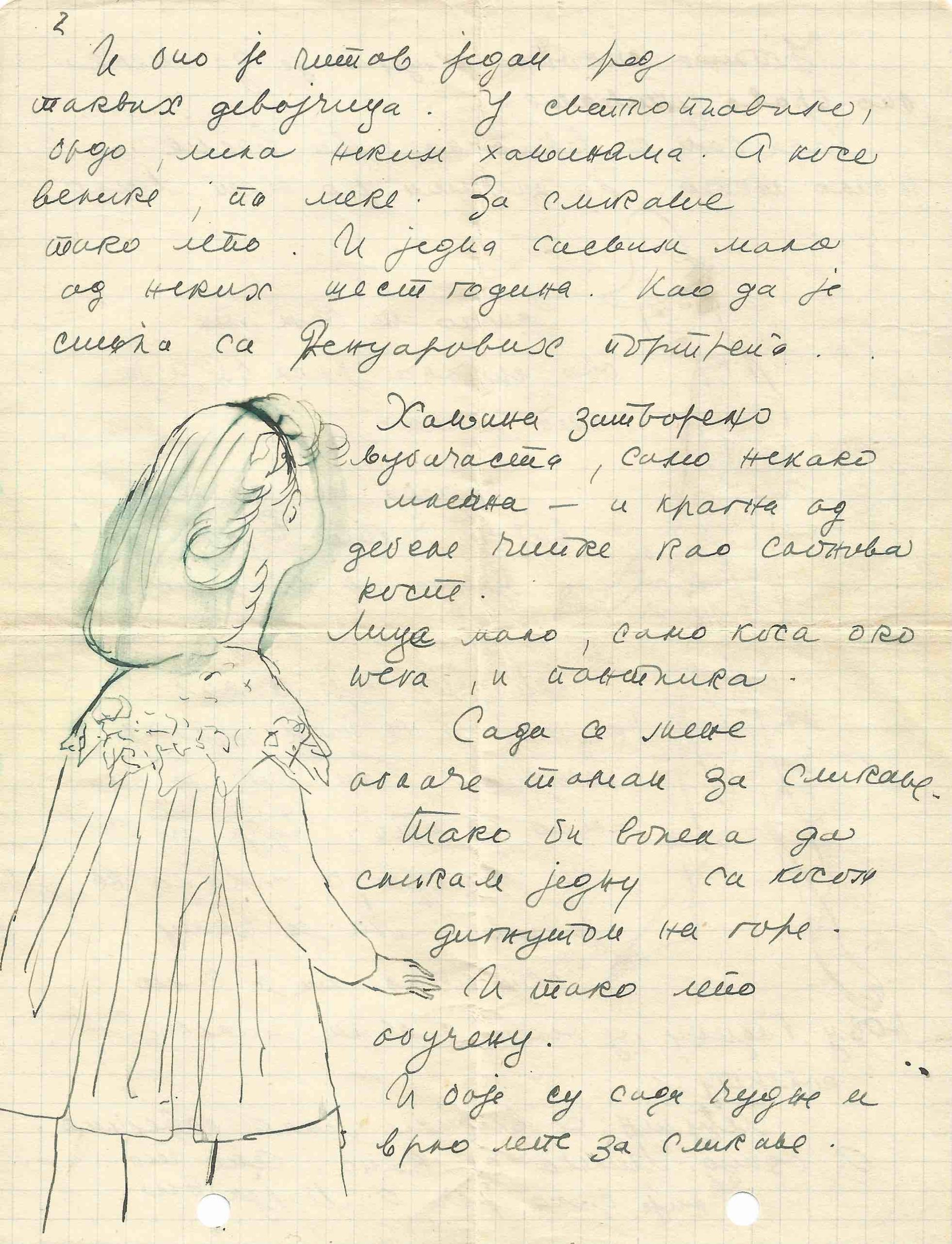
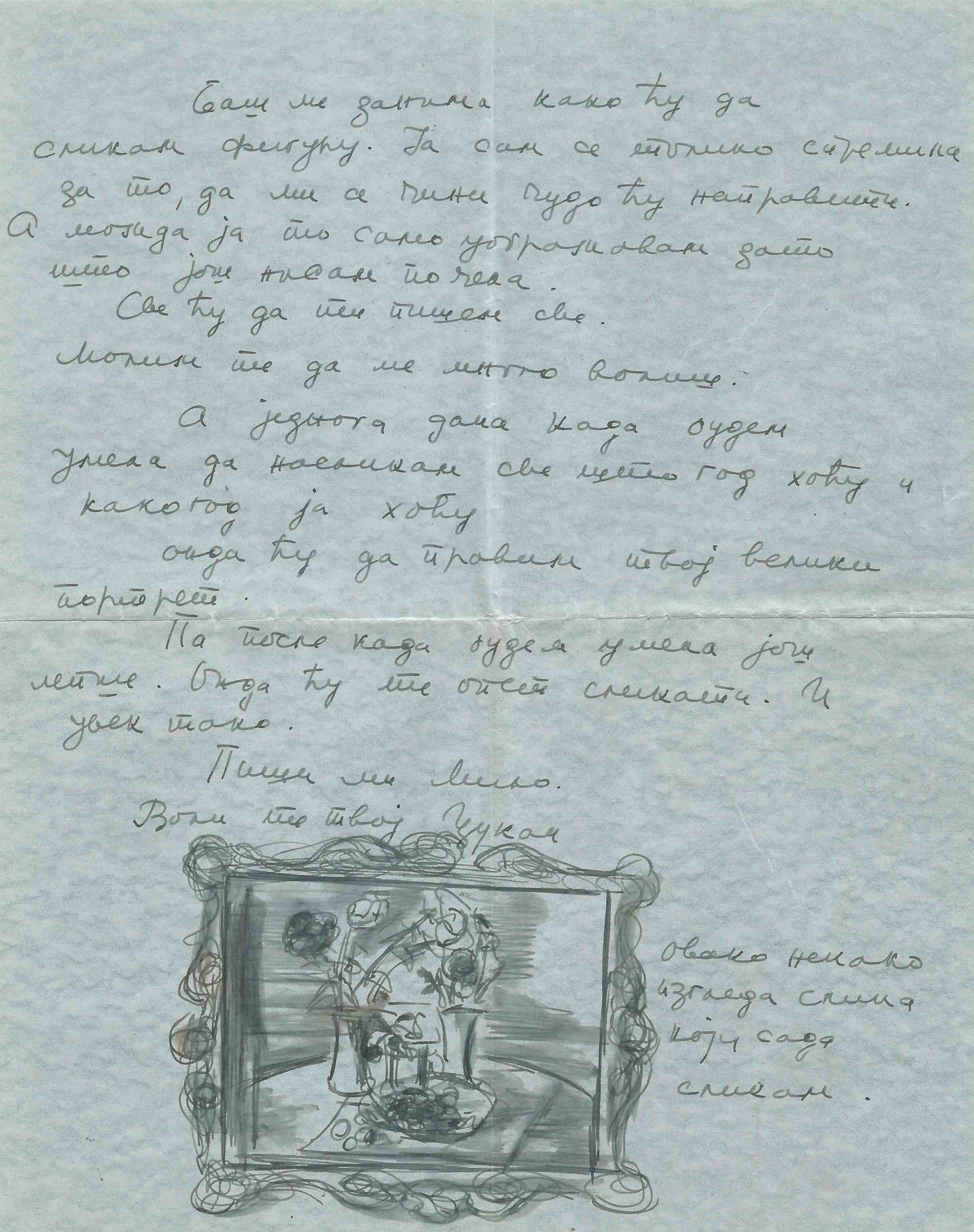
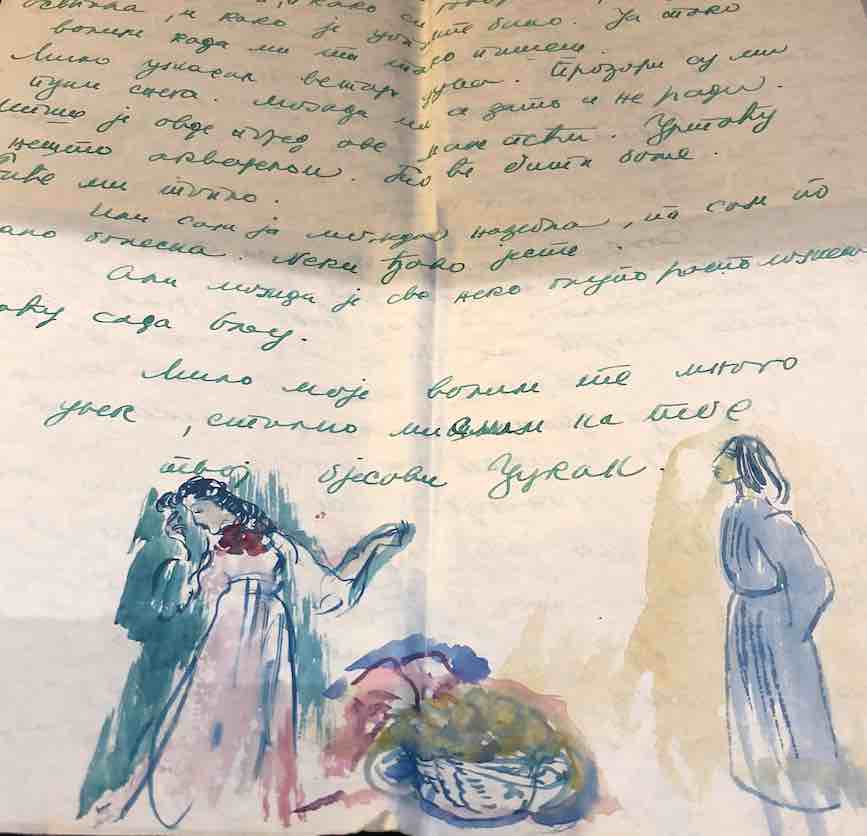
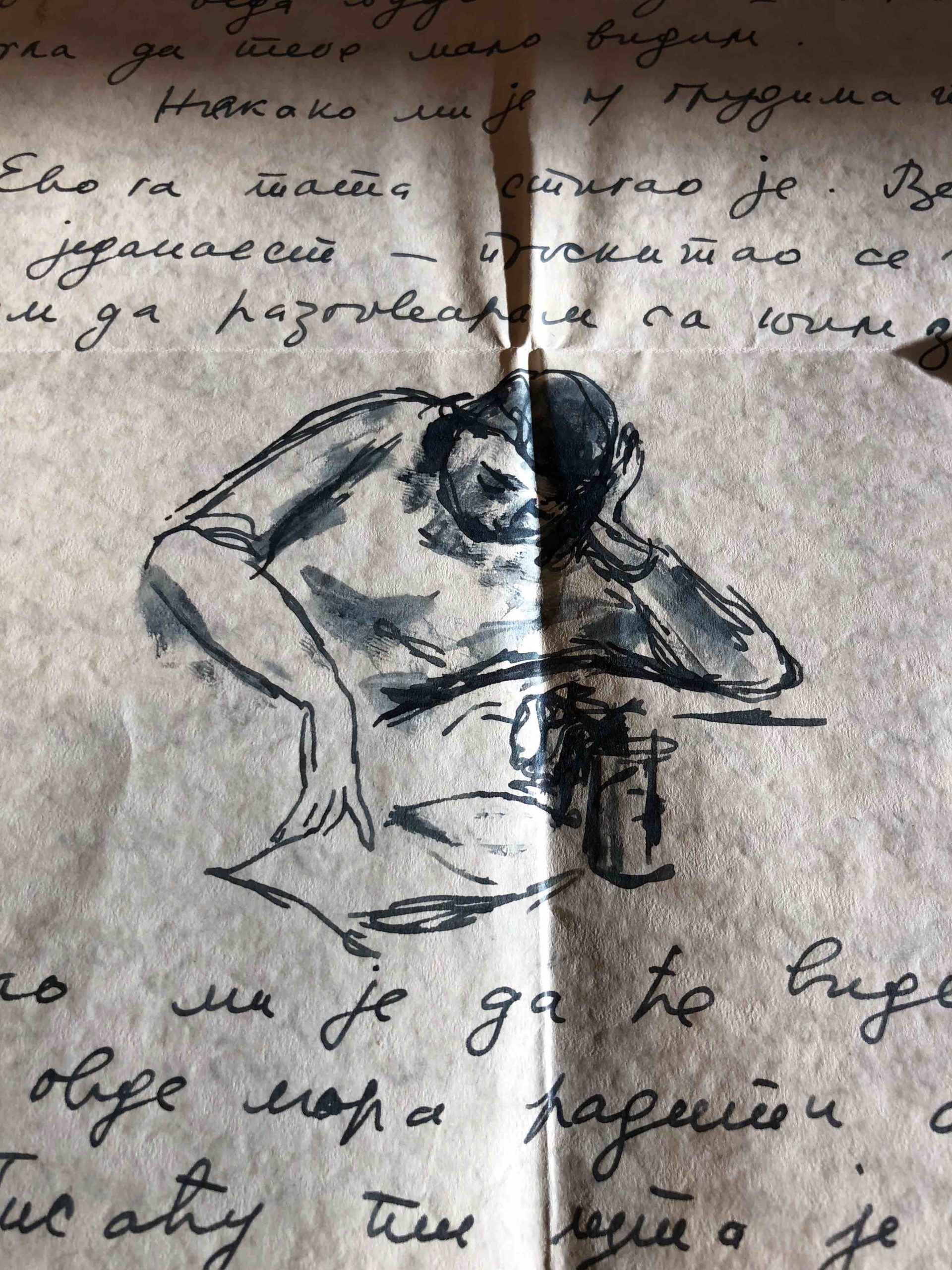
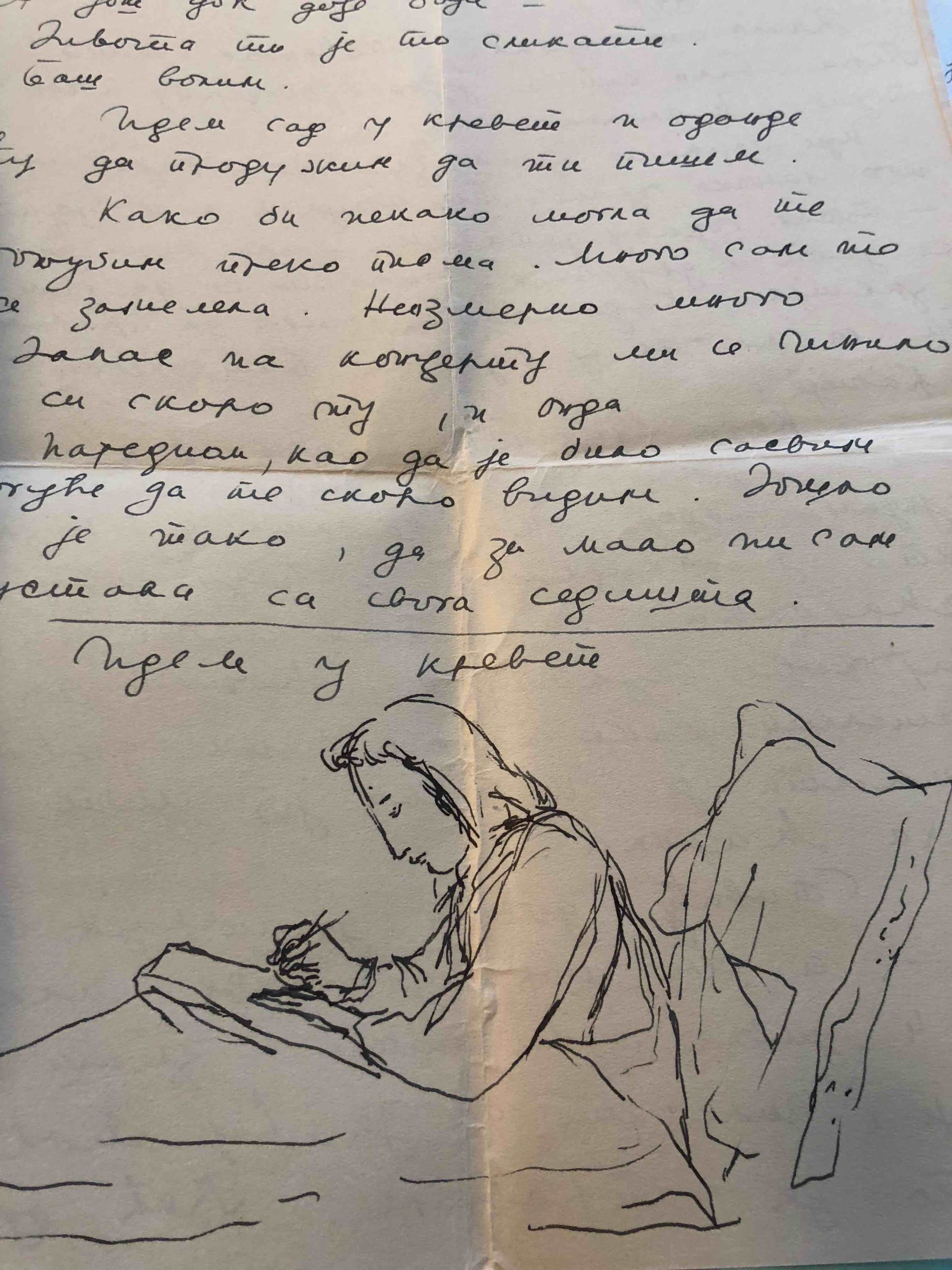
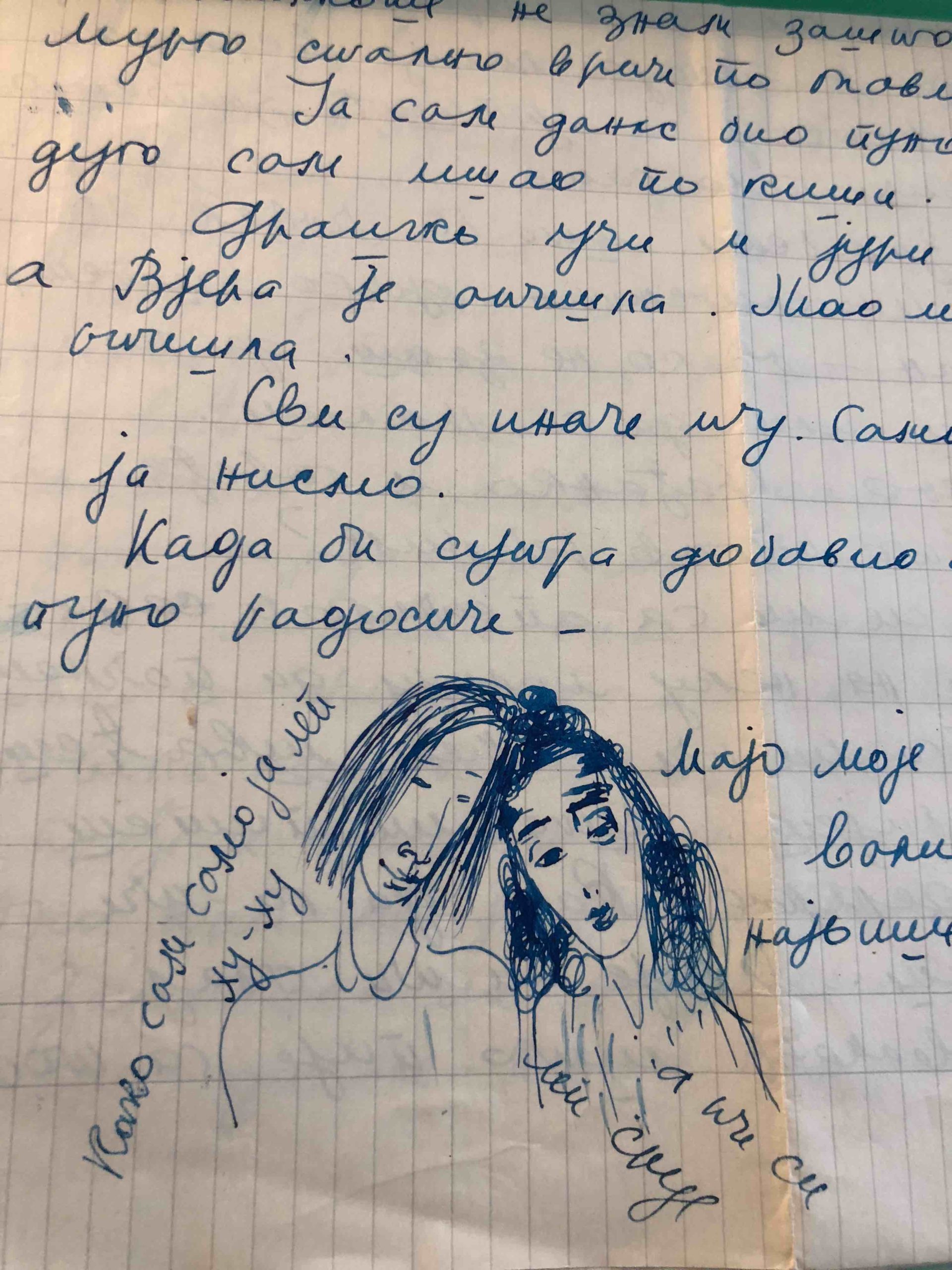
This entirely unpublished correspondence reveals hundreds of drawings, paintings, sketches and collages, previously unknown to the Serbian artist.
In these letters, Sokic develops her passion for art and creation, the genesis of her evolving pictorial work. She shares her doubts, influences, and inspirations from the great masters: " Pablo Picasso is also considerable. He is a great man, a real force, a Spaniard, truly his painting carries within it something grandiose."
This thousand handwritten pages offer a glimpse into the young artist's abundant creativity and reveal the foundational elements of her work in progress: "I've worked too much. Really too much. I've put all my energy into the large painting. I feel like I can still paint a lot more. But I won't finish it the day before the show. It's going to stay like this."
Inspired by French culture, Cuca Sokic evokes the poets Rimbaud, Lautréamont and Baudelaire while questioning her friend Olga, who remained in Paris, about her fellow writers, such as Sartre, Camus, Cocteau, and about her husband Marc Barbezat and the first publications of Jean Genet.
The ensemble allows a fresh and fundamental look at many aspects of each woman's life and at the artistic world of that time: Cuca and her art in Belgrade; Olga and her theatre in Paris.
Of course, the letters are often tinged with the anxieties of war, but these perfectly demonstrate the precedence of art and beauty over the torments of the European conflict: "War, more war. Seriously. God bless us. The future is totally uncertain, even for the Devil, it seems to me. How will it evolve? What is the situation in Paris?"
As we read through these lines, covered in drawings, we discover Sokic's fierce determination to be understood as a renowned artist: " I paint. I paint all day long. And it seems that I will eventually accomplish something. And one day, when I can paint what I want, then I will paint your great portrait."
An exceptional collection that will allow us to further deepen our knowledge and biography of this immense Serbian artist.
Photographs and transcripts available upon request.
Ljubica Sokić is considered one of the most influential artists of the 20th century in Serbia. She attended high school in Belgrade, where Zora Petrović was her teacher. She also studied painting with, among others, Beta Vukanović and Ivan Radović. Ljubica Sokić worked and exhibited her work in galleries in Paris between 1936 and 1939. Upon returning to Belgrade from Paris, she exhibited her work independently for the first time in 1939 at the Belgrade Pavilion "Cvijeta Zuzoric" (Zoric's House). She was one of the founders of the artistic group "Desetorica" ("The Group of Ten"). She also taught at the Academy of Visual Arts in Belgrade between 1948 and 1972. In 1968, she became a corresponding member of the Serbian Academy of Sciences and Arts and, from 1978, a full member. In addition to painting, she created illustrations for children's books and magazines, and also worked in film. She died on January 8, 2009, at the age of 94, in Belgrade and was buried five days later in the Novo Groblje cemetery. The Pavle Beljanski Museum in Novi Sad houses a collection of Sokic's paintings.
Olga Kechelievitch-Barbezat (1913-2015) – Very little is known about Olga Kechelievitch. Originally from Serbia, she studied theater in Paris at the Dullin school in the late 1930s. As an actress, she played several roles in Paris and met prominent French writers and painters, such as Albert Camus, Jean-Paul Sartre, and Jean Cocteau. In 1943, she married the French writer and publisher Marc Barbezat. This marriage was a pivotal moment for both of them. Olga sent Barbezat a copy of "Le Condamné à Mort" (The Condemned Man) by the French poet Jean Genet. This marked the beginning of a remarkable publishing venture, with the launch, in 1941, of the publishing house "L'Arbalète," which took Genet under its wing.